Perimenopause — the transitional phase that often begins in the 40s — brings dramatic hormonal changes affecting everything from sleep and energy to metabolism and bone strength. Despite affecting all women, it remains underdiagnosed and undertreated.
Symptoms to watch for
- Hot flashes and night sweats
- Sleep problems and fatigue
- Mood swings, anxiety and irritability
- Weight gain, especially around the midsection
- Joint and muscle pain
- Decreased libido
- Brain fog and concentration difficulties
- Mucosal dryness
Symptoms vary widely and can begin several years before menstruation stops completely. It's common not to connect the symptoms to hormonal changes, making early investigation especially important.
Why are blood tests needed?
Hormone tests (estradiol, progesterone, FSH, LH, testosterone, thyroid tests) confirm where you are in the transition and provide the basis for individually tailored treatment. Our health check includes over 70 biomarkers, including a complete hormone profile, plus metabolic markers that are crucial during this period.
Want to know more?
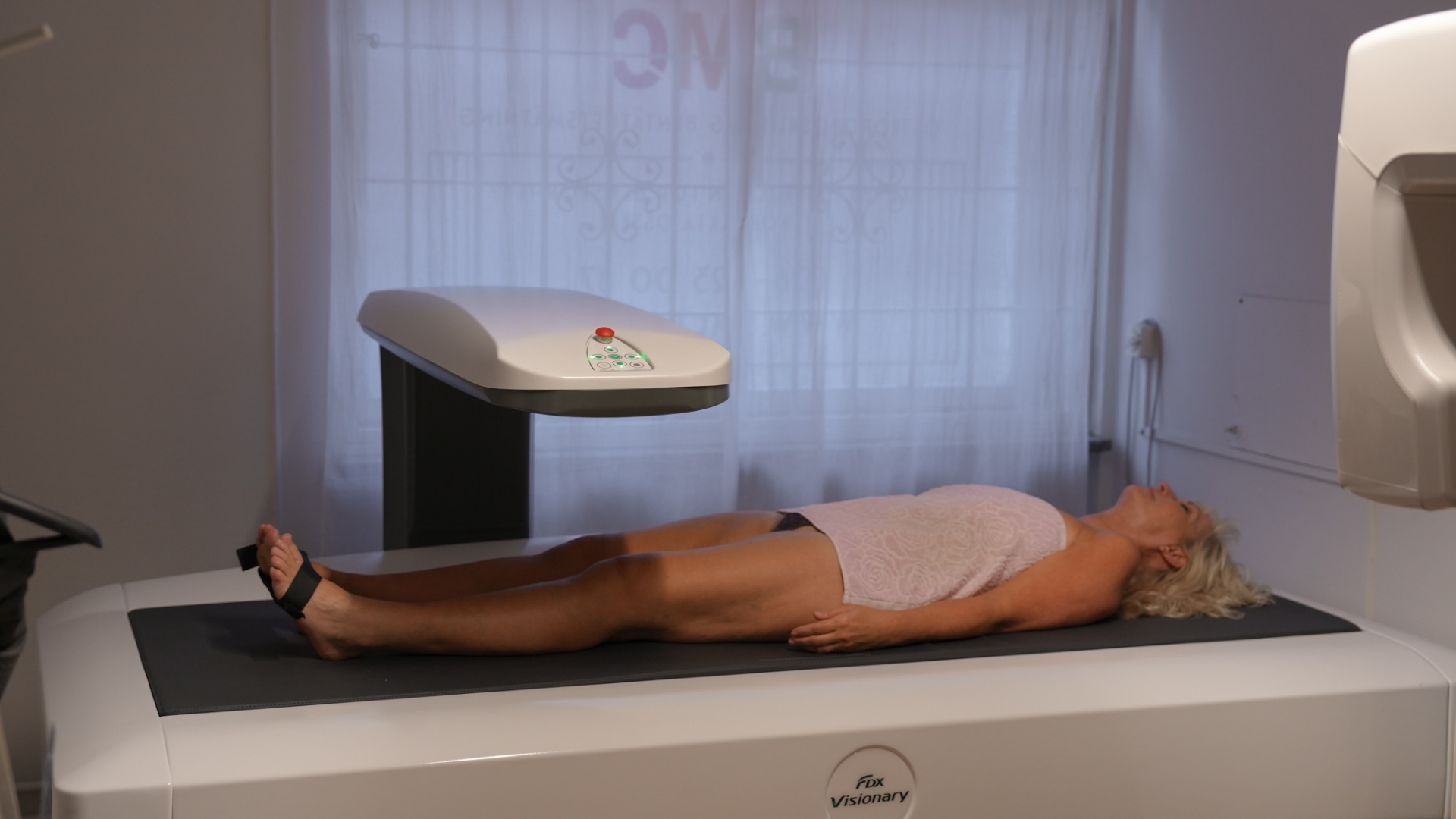
Book a health check with blood tests, DEXA scan and doctor consultation. Map your health.
Modern hormone therapy (HRT)
Bioidentical hormones — chemically identical to the body's own — are the first choice for most women. Treatment is individually tailored based on symptoms and blood tests, and adjusted through regular follow-ups.
Modern HRT is built on a combination of hormones tailored to individual needs. Transdermal estradiol (patches or spray) is the recommended form of estrogen therapy, providing more stable hormone levels and lower risk compared to oral forms. Oral micronized progesterone is used for endometrial protection and also has positive effects on sleep. Testosterone gel is an important part of treatment that is often overlooked — testosterone is not just a male hormone. During perimenopause and menopause, women's testosterone levels also decline, contributing to reduced energy, lower libido, impaired cognitive function, and loss of muscle mass. Complementing HRT with testosterone can make a significant difference for energy, sexual health, brain function, and overall well-being.
Modern HRT with bioidentical hormones has strong research support and is the most effective treatment for menopausal symptoms — and also protects against osteoporosis and cardiovascular disease.
Expected effects
- Marked reduction in hot flashes and night sweats
- Improved sleep and energy
- More stable mood
- Protection against osteoporosis
- Improved body composition
- Better cognitive function
- Improved libido and sexual health
HRT and breast cancer risk — what does the research say?
The fear of breast cancer associated with hormone therapy has in most cases been disproportionate and based on a misinterpretation of the large clinical trial Women's Health Initiative (WHI), published in 2002. The average age of participants was 63 — far older than the age at which HRT is recommended to begin today (typically during perimenopause, often as early as the 40s–50s). The fact that the study primarily included older women who started hormone therapy long after menopause onset likely contributed to the elevated risks observed, making the results less applicable to women who begin treatment at the appropriate time. The original reporting led to an entire generation of women being denied effective treatment — despite clear benefits for both short-term symptoms and long-term mortality. Updated analyses of WHI data (NIH 2006; 20-year follow-up published in JAMA) show that estrogen alone did not increase breast cancer risk — in fact, it was associated with lower breast cancer incidence and mortality in women with prior hysterectomy. Combined estrogen and progestogen therapy showed an increased absolute risk of approximately one per thousand women per year regarding incidence, but no increased risk regarding breast cancer mortality. In November 2025, the FDA made the historic decision to remove the black box cancer warning from estrogen HRT products, reflecting the updated evidence. Modern bioidentical HRT (transdermal estradiol and micronized progesterone) also has a more favorable risk profile than the synthetic hormones used in the original WHI study. Overall, the fear of breast cancer has caused significant harm by depriving women of effective treatment with proven benefits for symptom relief, bone health, cardiovascular protection, and all-cause mortality.
How to get started
Book a health check that includes hormone panel and DEXA scan (for bone health and body composition). Our doctor analyzes the results and recommends a tailored treatment plan.
Frequently asked questions
From our shop
Recommended supplements
Hormone balance
Micronutrients and adaptogens that support hormonal balance in men and women.
View categoryEssentials
The five daily essentials our doctors recommend for nearly every patient.
View categorySleep
Recovery, deeper sleep, and a calmer nervous system before bed.
View category