PRP treatment — healing for joints and tendons
We use your own blood to stimulate healing of joints, tendons and muscles.
An evidence-based alternative to cortisone or surgery for osteoarthritis, tendon injuries and chronic conditions.
Medically reviewed by Johan Hedevåg, MD
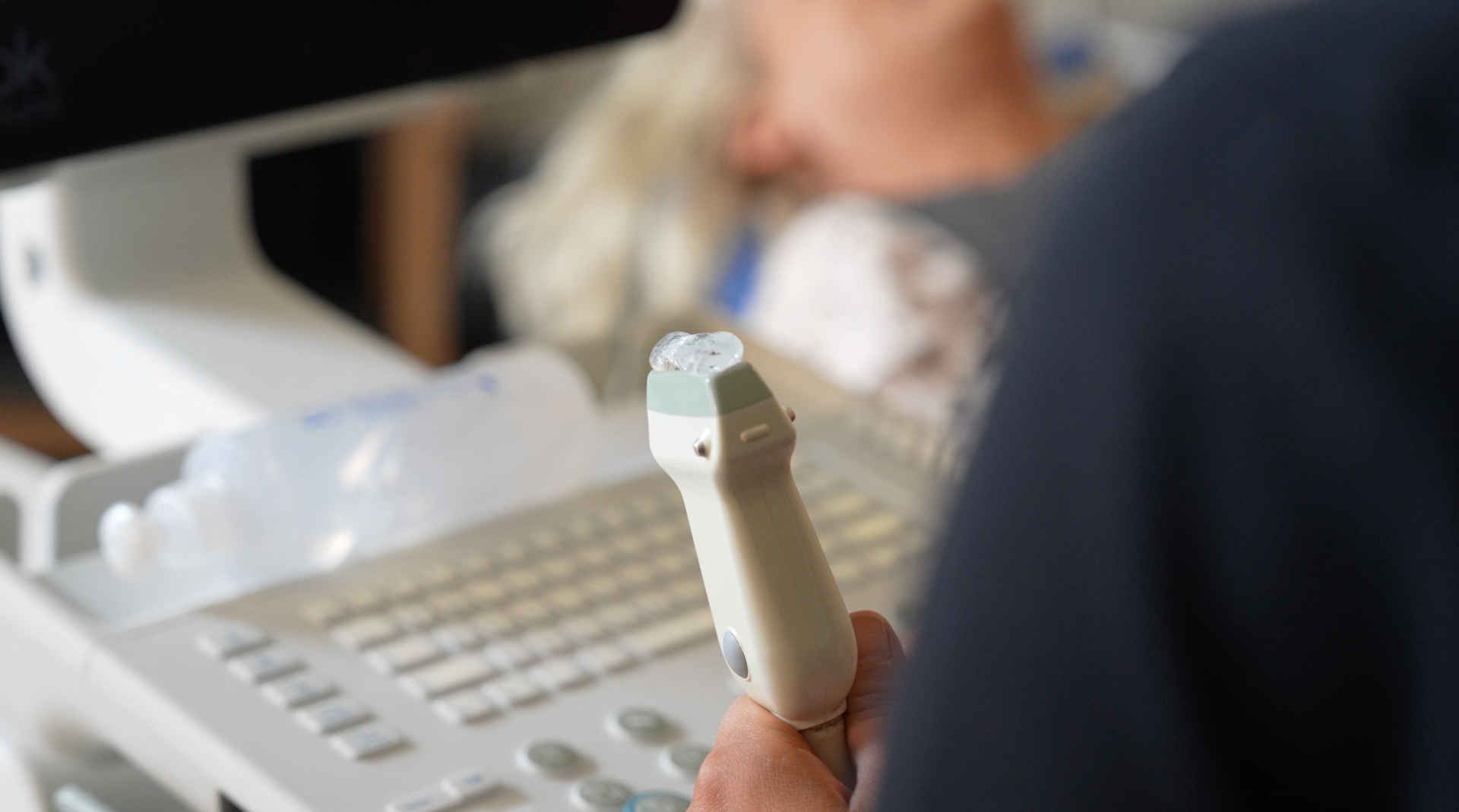
PRP (platelet-rich plasma) is a regenerative treatment where concentrated platelets from your own blood are injected under ultrasound guidance into damaged tissue to stimulate healing.
What is treated?
Tap a condition to read more.
How it works
- Single visit (~45 min)
- 01Ultrasound examination & diagnosis~15 minA licensed physiotherapist confirms the diagnosis with diagnostic ultrasound and creates an individual treatment plan.
- 02Ultrasound-guided PRP injection~30 minWe draw 60–180 ml of blood, centrifuge and concentrate platelet-rich plasma and inject it under ultrasound guidance directly into the target tissue.
- 03Pre-optimisationIf needed0–3 monthsWhen systemic factors are present, we optimise metabolic health, hormonal balance and inflammation to maximise the PRP response for upcoming treatments.
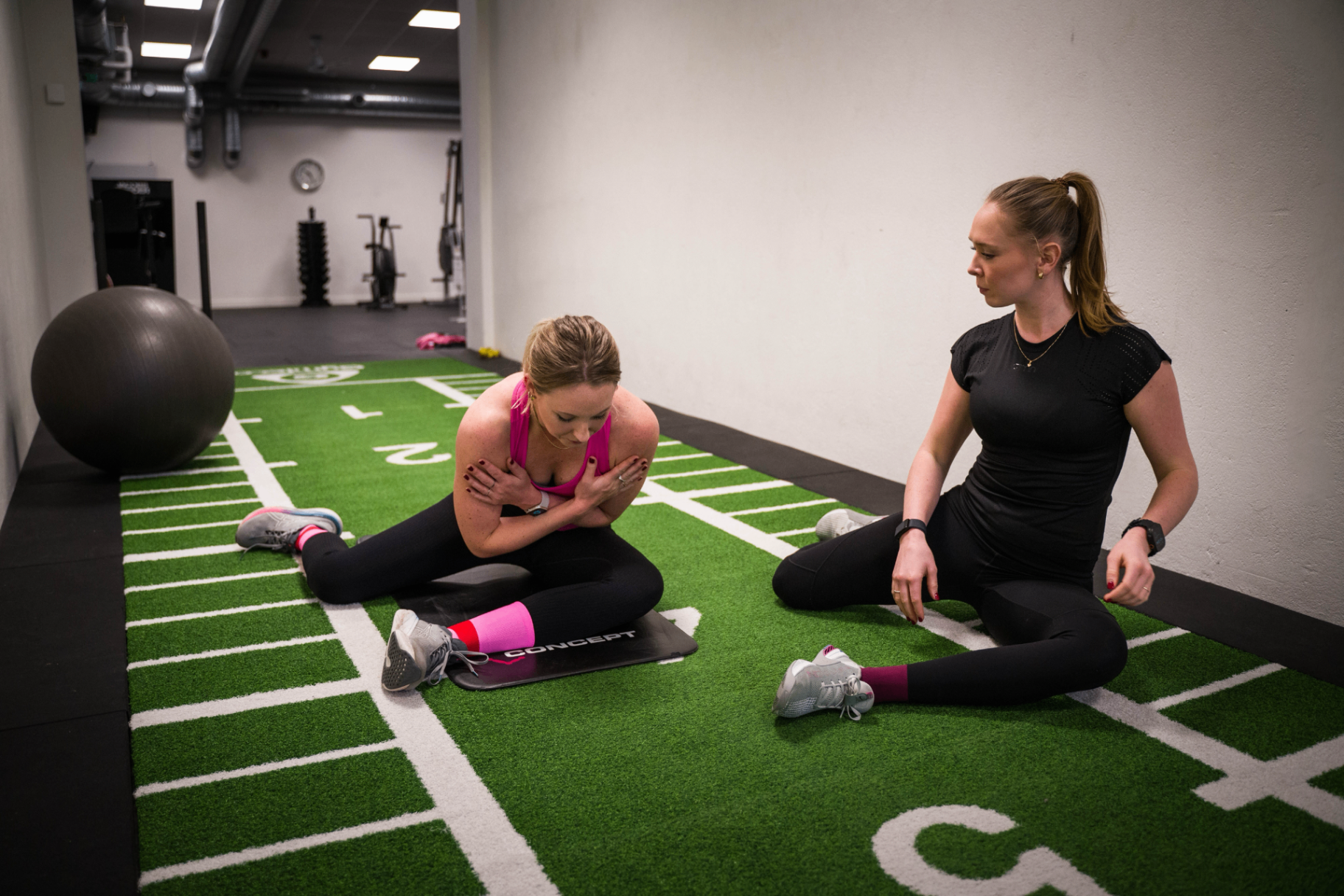
- 04Rehab and follow-upOngoingIndividual rehab programme and follow-up to maximise healing and ensure return to full function.
- 05Maintenance treatmentIf neededEvery 3–6 monthsFor chronic conditions like osteoarthritis, maintenance treatments every 3–6 months help sustain results.
Recovery over time
How PRP Treatment compares to other options
PRP
Recommended- Mechanism
- Stimulates natural healing
- Recovery
- 1–14 days
- Effect over time
- Long-lasting
- Repeatable
- Yes
- Risks
- Minimal
Cortisone
- Mechanism
- Suppresses acute inflammation
- Recovery
- 1–2 days
- Effect over time
- 1–2 months
- Repeatable
- Limited
- Risks
- Breaks down cartilage and tissue
Surgery
- Mechanism
- Mechanical correction
- Recovery
- Months
- Effect over time
- Permanent (when successful)
- Repeatable
- Rarely
- Risks
- Complications + anaesthesia
PRP treats the cause — no anaesthesia, no scars, and can be repeated as needed.
What does the research say?
Findings from peer-reviewed publications.
For knee osteoarthritis, 85.7% of PRP patients avoided joint replacement at 5-year follow-up, with a median delay to surgery of 5.3 years.
Large prospective knee OA study: significant WOMAC reduction at 3, 6, 12 and 18 months, with 56% of patients achieving clinically meaningful improvement at 6 months.
Meta-analysis (Bensa/Boffa et al., 2025) of 18 RCTs and 1,995 patients: PRP produced −2.1 VAS points additional pain relief vs placebo at 6 months and −15.9 WOMAC points at 3 months — both above the threshold for clinically meaningful improvement.
Tennis elbow: 0% of PRP patients required surgery vs 20% in the physiotherapy-only group, with effect sustained over 24 months.
Plantar fasciitis (Monto, 2014 RCT): a single PRP injection produced sustained pain relief in ~73% of patients at 6 months — substantially more durable than cortisone, which lost effect within a year.
Meta-analysis (Belk et al., 2021) of 18 level-1 RCTs and 1,608 patients: 44.7% WOMAC improvement with PRP vs 12.6% with hyaluronic acid — nearly four times greater functional improvement.
Partial-thickness supraspinatus tears: PRP combined with physiotherapy produced significantly greater reduction in tear volume and better functional scores compared to physiotherapy alone.
When this treatment isn't right
- Active infection in the area
- Ongoing cancer treatment
- Blood disorders or active anticoagulants (without physician dialogue)
- Pregnancy
- Complete tendon rupture requiring surgery
Pricing and what's included
Pricing reflects the scope of the protocol — plasma volume, number of injections and structures treated.
Single injection. Suitable for localised conditions.
- Standard dose PRP
- Ultrasound-guided injection
- Individual rehab programme
Larger volume (60–180 ml), higher concentration, stronger effect.
- Diagnostic ultrasound
- High-dose protocol (60–180 ml)
- Ultrasound-guided injection
- Rehab programme and follow-up visit
PRP combined with hyaluronic acid or collagen. Often best for tendon and ligament injuries.
- PRP + biologic adjunct
- Ultrasound-guided injection
- Rehab programme and follow-up
Questions about PRP Treatment
Frequently asked questions
Ready to book an examination?
We always begin with a thorough examination by a licensed physiotherapist with diagnostic ultrasound.
Related articles
Go deeper into the evidence behind our treatments.
Regenerative treatment for osteoarthritis
Regenerative treatment options for osteoarthritis — what is orthobiologic treatment, what does the research say, and who is it for?
Read articlePRP treatment for tendons and joints — how it works
Learn how PRP (platelet rich plasma) treats osteoarthritis, tendon injuries and joint problems using your body's own growth factors. Evidence, process and results.
Read articleKnee or hip osteoarthritis? Alternatives to surgery
Explore non-surgical treatments for osteoarthritis — PRP, orthobiologic treatment and rehabilitation. Avoid knee or hip surgery with regenerative medicine.
Read articleFrom our shop
Recommended supplements
Recovery
Optimized recovery for muscles, joints, and nervous system.
View categoryEssentials
The five daily essentials our doctors recommend for nearly every patient.
View categoryAmino acids
Building blocks for muscle protein, neurotransmitters, and recovery.
View category