PRP treatment (Platelet Rich Plasma) is one of the most evidence-based regenerative treatments for musculoskeletal conditions. By concentrating platelets from your own blood, we deliver a high dose of growth factors directly to damaged tissue — without surgery, without synthetic drugs.
How does PRP work?
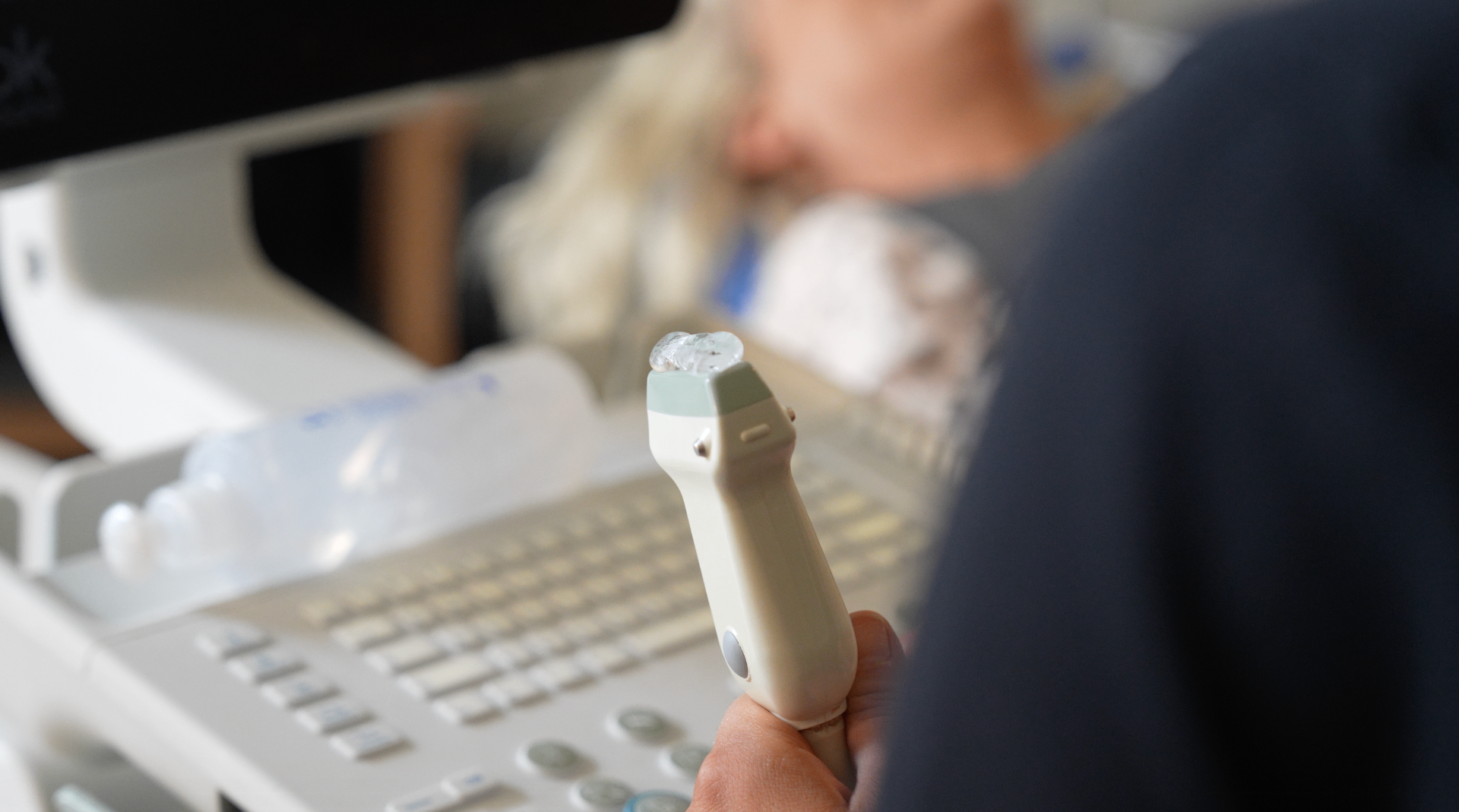
We take a blood sample, centrifuge it to isolate platelet-rich plasma, and then inject this concentrate under ultrasound guidance into the damaged area. The growth factors stimulate cell renewal, reduce inflammation, and promote healing of tendons, cartilage, and joint capsules.
Unlike cortisone, which can break down tissue with repeated injections, PRP stimulates actual healing and tissue repair.
Which conditions are treated with PRP?
- Osteoarthritis (all joints — knee, hip, shoulder, wrist, ankle, thumb and more)
- Tennis elbow and golfer's elbow (epicondylitis)
- Achilles tendon problems (tendinopathy)
- Plantar fasciitis
- Rotator cuff injuries
- Meniscus injuries
- Ligament injuries
- Muscle injuries (e.g. hamstring tears or calf muscle ruptures)
What does the research say?
PRP treatment has been studied in a large number of clinical trials. Results consistently show significant pain reduction, improved function, and in many cases the ability to postpone or avoid surgery.
Knee osteoarthritis and delayed joint replacement
In a 5-year follow-up by Anitua et al., 85.7% of knee osteoarthritis patients had not undergone joint replacement by the end of the follow-up period; among those who ultimately required surgery, the median time to procedure was 5.3 years (PMID 32621139). A large prospective study by Prost/Magalon et al. showed significant WOMAC reduction at 3, 6, 12 and 18 months, with 56% of patients achieving clinically meaningful improvement at 6 months (PMID 38234679).
Tendon conditions and other indications
For epicondylitis (tennis elbow), 0% of PRP patients required surgery compared to 20% in the physiotherapy-only group, with significantly better pain and function scores lasting over 24 months (PMID 36614903). For plantar fasciitis, a randomised trial by Monto showed that approximately 73% of patients had sustained pain relief at 6 months — substantially better than cortisone (PMID 24419823). For partial-thickness supraspinatus tears, PRP combined with physiotherapy showed significantly greater reduction in tear volume and better functional scores compared to physiotherapy alone (PMID 41758992).
Having problems?
Book an examination with a physiotherapist. We investigate with ultrasound and recommend the best treatment.
What does the treatment process look like at Revi?
- Examination by physiotherapist with ultrasound diagnostics
- Assessment and treatment plan
- PRP preparation and ultrasound-guided injection
- Rehabilitation program with follow-up
Advantages of PRP compared to surgery
- No anesthesia or hospital stay
- Minimal recovery time — most return to normal activity within days
- Uses the body's own healing system
- Can be repeated without increased risk
- Cost-effective compared to surgery
Is PRP right for you?
PRP is suitable for most people with chronic tendon and joint problems that haven't responded sufficiently to physiotherapy and pain medication. The first step is always a thorough examination with ultrasound to establish a diagnosis and assess whether PRP is the best way forward.
Frequently asked questions
From our shop
Recommended supplements
Recovery
Optimized recovery for muscles, joints, and nervous system.
View categoryEssentials
The five daily essentials our doctors recommend for nearly every patient.
View categoryImmunity
Vitamins and minerals that support a robust immune system.
View category