Insulin resistance is a condition where the body's cells gradually become less sensitive to insulin. It leads to elevated blood sugar, increased fat storage (especially around the abdomen) and chronic low-grade inflammation. Insulin resistance is often the first step towards type 2 diabetes, heart disease, fatty liver disease — and even cancer.
Symptoms that are often overlooked
- Difficulty losing weight despite 'right' diet
- Fatigue after meals
- Constant hunger and sugar cravings
- Increasing waist circumference
- Skin changes (acanthosis nigricans)
- High blood pressure
- Elevated triglycerides and low HDL cholesterol
Up to 40% of adults in the Western world have some degree of insulin resistance — most without knowing it.
How is it diagnosed?
Standard fasting blood sugar often doesn't catch insulin resistance until it's gone too far. We measure fasting insulin, HbA1c, HOMA-IR index, triglycerides and more — to catch the problem early, when it's still fully reversible.
Want to know more?
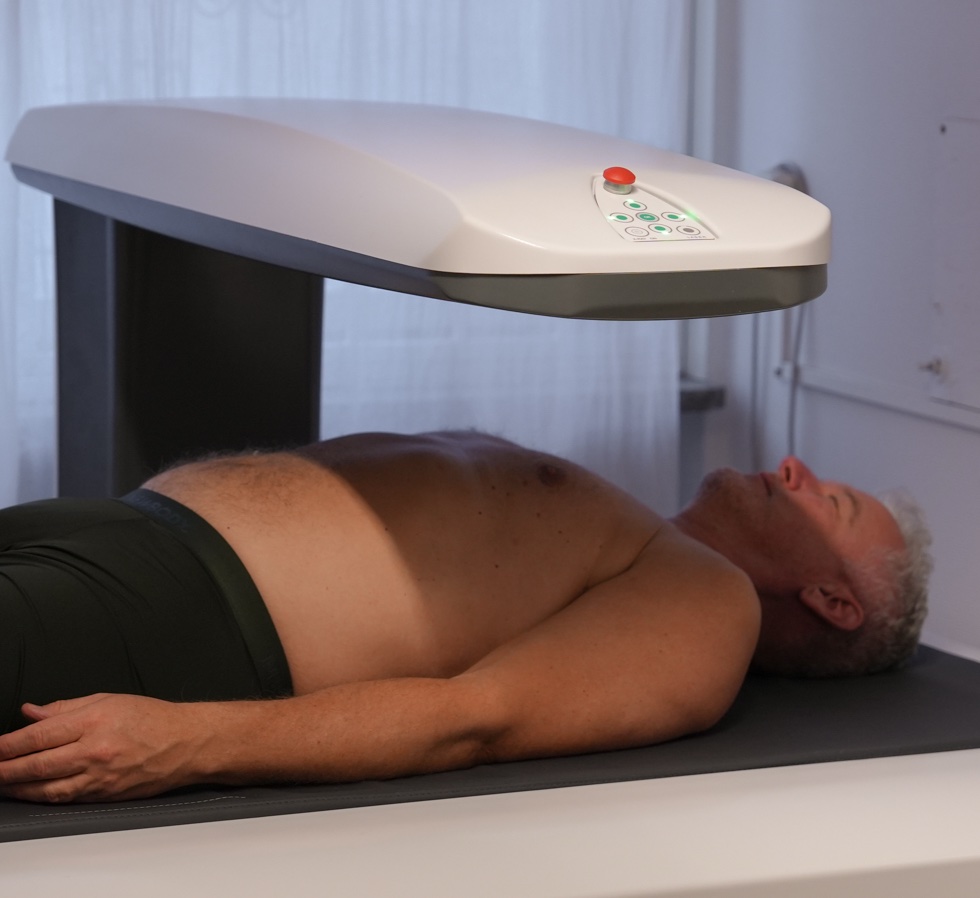
Book a health check with blood tests, DEXA scan and doctor consultation. Map your health.
Treatment strategy
- Lifestyle intervention: structured exercise (especially strength training), protein optimization, sleep hygiene
- Metabolic optimization: dietary and training adjustments based on biomarkers
- Pharmacology as needed: GLP-1 receptor agonists, SGLT2 inhibitors, metformin
- Regular follow-up with blood tests and DEXA to measure progress
Muscle mass as medical treatment
Skeletal muscle is the body's largest insulin-sensitive organ. Increased muscle mass directly improves insulin sensitivity — that's why strength training and protein optimization aren't 'lifestyle advice' but medical treatment for insulin resistance.
Frequently asked questions
From our shop
Recommended supplements
Essentials
The five daily essentials our doctors recommend for nearly every patient.
View categoryHeart & Cardio
Support for cardiovascular function, blood lipids, and circulation.
View categoryLongevity
Formulas with research support for long-term cellular health.
View category