All treatments
Regenerative Medicine

Ankle osteoarthritis — ultrasound-guided PRP for cartilage wear in the ankle

Pain when walking, stiffness and swelling after a previous sprain or fracture don't have to mean arthrodesis.

We combine diagnostic ultrasound, ultrasound-guided PRP and individualised rehab to slow progression and restore function.

Medically reviewed by Johan Hedevåg, MD

Ultrasound diagnosis1,000+ treatmentsNo referral required
Regenerative treatment for post-traumatic and primary ankle OA.

Ankle OA (talocrural OA) is most often post-traumatic and follows fracture or repeated ligament injuries. Symptoms include pain when walking, stiffness and swelling. Ultrasound-guided PRP can reduce inflammation, ease pain and delay arthrodesis.

Autologous
your own platelets — no foreign material
Low risk
favourable safety profile using your body's own tissue
6–12 wk
typical time to noticeable improvement

What is treated?

Tap a condition to read more.

How it works

  1. Single visit (~45 min)
    1. 01Ultrasound examination & diagnosis~15 min
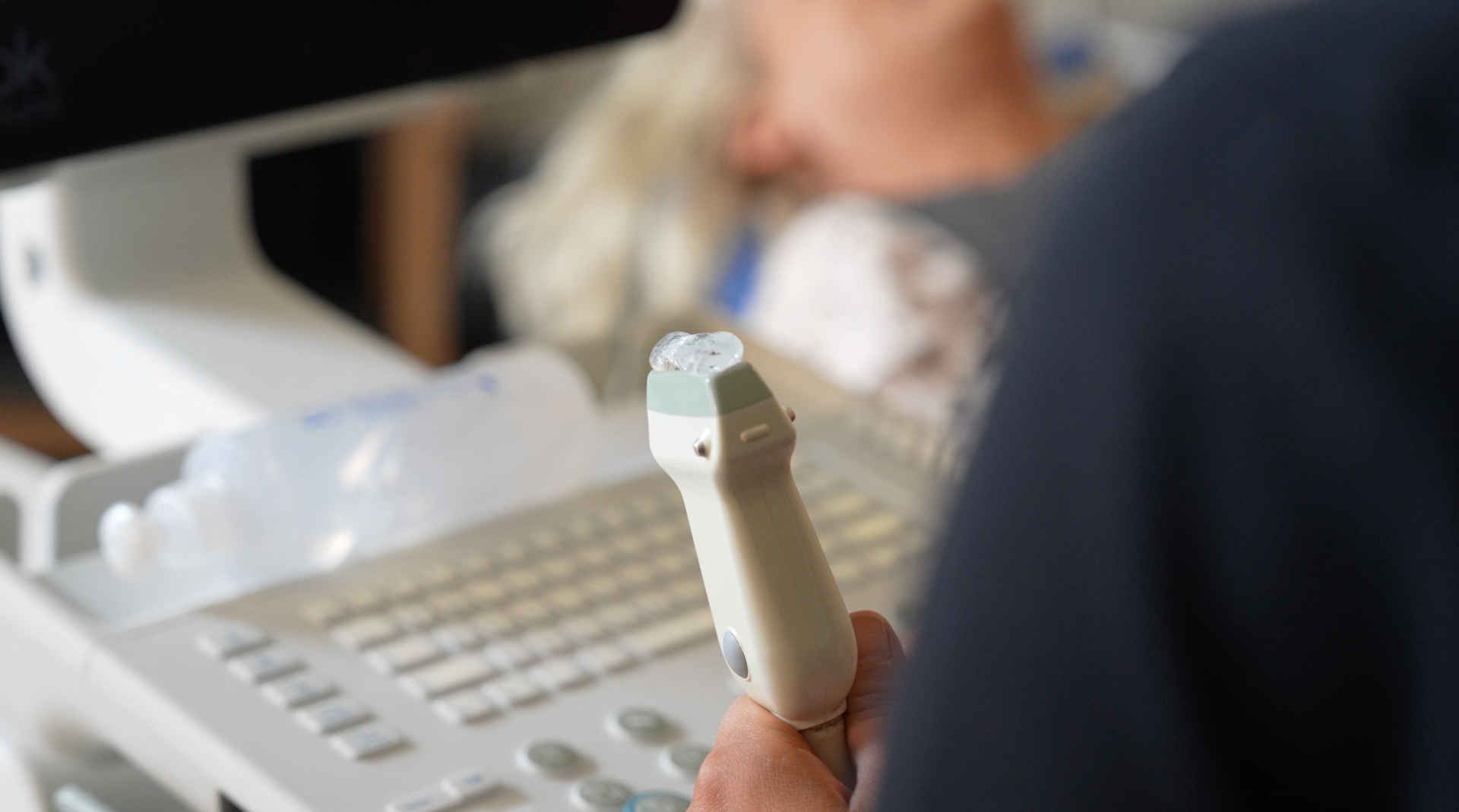
      A licensed physiotherapist confirms ankle OA with diagnostic ultrasound, assesses ligament status and creates an individual plan.
    2. 02Ultrasound-guided PRP injection~30 min
      60–180 ml of blood is drawn, centrifuged, and platelet-rich plasma is injected with ultrasound precision directly into the talocrural joint.
  2. 03Pre-optimisationIf needed0–3 months
    In cases of overweight, insulin resistance or systemic inflammation, we optimise metabolic health and loading patterns to maximise the PRP response for upcoming treatments.
  3. 04Rehab and follow-upOngoing
    Individualised programme for ankle mobility, proprioception and lower leg strength with a gradual return to loading.
  4. 05Maintenance treatmentIf neededEvery 3–6 months
    For chronic osteoarthritis, maintenance treatments every 3–6 months help sustain pain relief and function over time.

What is ankle OA?

Ankle OA is cartilage wear in the talocrural joint (between the tibia and talus). Unlike knee and hip OA, ankle OA is almost always post-traumatic and often affects younger patients after fracture or repeated sprains. Symptoms include pain when walking, stiffness, swelling and gradual loss of gait function.

How we treat ankle OA

We start with a diagnostic ultrasound examination to confirm the diagnosis and assess ligament status. Based on that, we combine ultrasound-guided PRP in the talocrural joint, individualised rehab for proprioception and lower leg strength, and if needed biological joint treatment.

Questions about Ankle osteoarthritis

Frequently asked questions

Ready to book an examination?

We always begin with a thorough examination by a licensed physiotherapist with diagnostic ultrasound.

Related articles

Go deeper into the evidence behind our treatments.

All articles