All treatments
Regenerative Medicine

Plantar fasciitis — PRP treatment when cortisone and orthotics fall short

Persistent heel pain in the morning and after rest?

A single PRP treatment produces pain relief in approximately 73% of patients at 6-month follow-up.

Medically reviewed by Johan Hedevåg, MD

Ultrasound diagnosis1,000+ treatmentsNo referral required
Ultrasound-guided PRP injection for chronic plantar fasciitis and heel spur.

Heel spur — or plantar fasciitis — is inflammation and degeneration in the connective tissue under the foot causing sharp heel pain, often worst in the morning. Ultrasound-guided PRP treatment heals the tissue and delivers sustained effect even in chronic cases.

~73%
sustained pain relief at 6 months (Monto 2014 RCT vs cortisone)
PMID 24419823
Your own blood
your own platelets — low side-effect risk
6–12 wks
time to noticeable improvement

What is treated?

Tap a condition to read more.

How it works

  1. Single visit (~45 min)
    1. 01Ultrasound examination & diagnosis~15 min
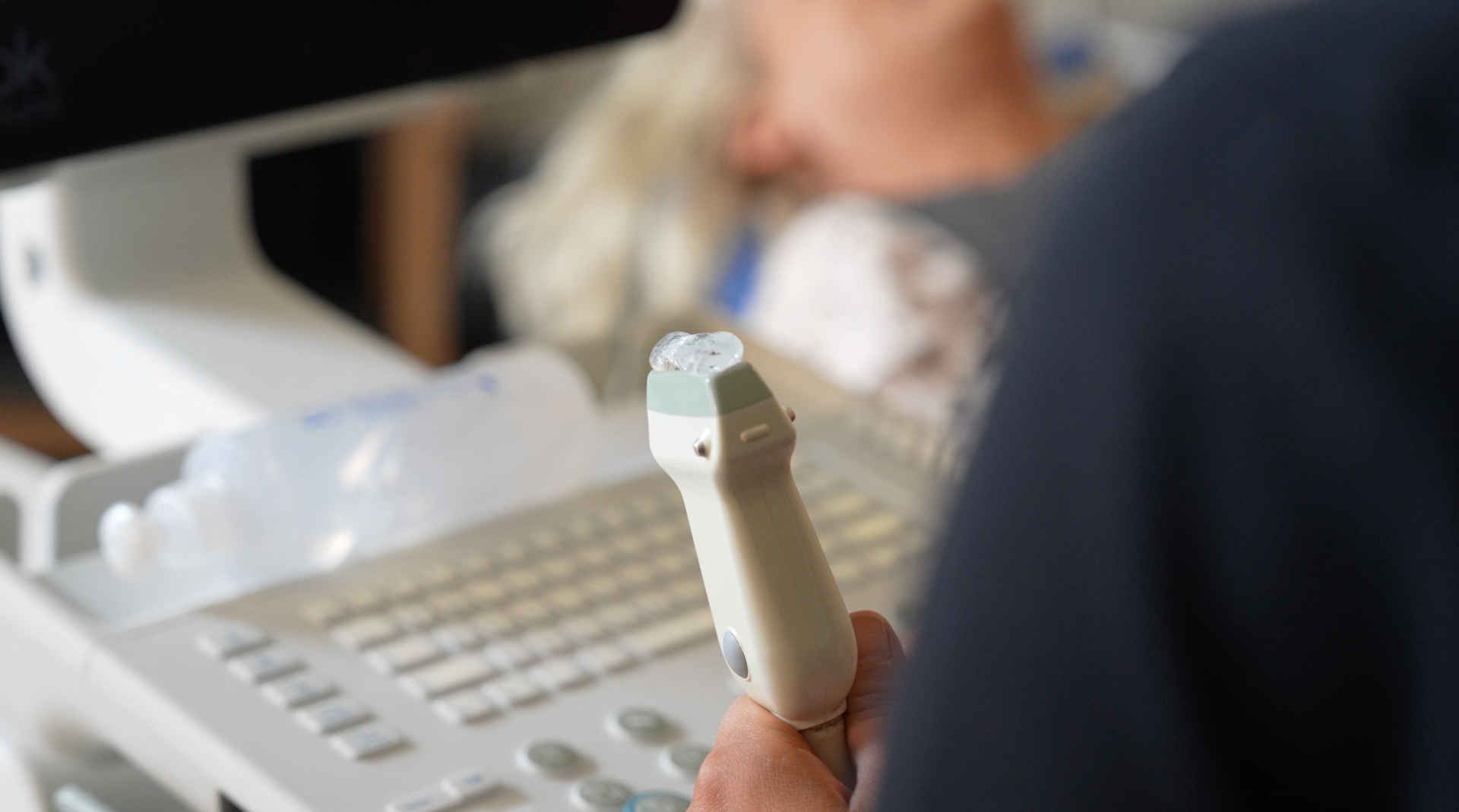
      A licensed physiotherapist measures plantar fascia thickness with diagnostic ultrasound, rules out differential diagnoses and confirms the treatment plan.
    2. 02Ultrasound-guided PRP injection~30 min
      A blood sample is centrifuged and the platelet-rich plasma is injected with ultrasound precision directly into the affected plantar fascia insertion.
  2. 03Offloading & rehab6–12 wk
    Individualised offloading, stretching and strengthening for calf and arch, plus follow-up for a gradual return to full loading.

What is plantar fasciitis?

Heel spur (plantar fasciitis) is chronic overload of the plantar fascia — the connective tissue running from the heel bone to the toe base. It causes sharp pain under the heel, often worst on the first steps in the morning or after prolonged rest. X-ray may show a bony outgrowth (heel spur), but the pain itself is caused by inflammation and degeneration in the soft tissue.

How we treat plantar fasciitis

After diagnostic ultrasound, a PRP injection is placed with millimetre precision into the affected fascia region. Treatment is combined with progressive loading exercise and, if needed, orthotics. Most patients need only one treatment and notice clear improvement within 6–12 weeks.

Questions about Plantar fasciitis

Frequently asked questions

Ready to book an examination?

We always begin with a thorough examination by a licensed physiotherapist with diagnostic ultrasound.

Related articles

Go deeper into the evidence behind our treatments.

All articles