All treatments
Regenerative Medicine

Toe OA (hallux rigidus) — ultrasound-guided PRP in the big toe MTP joint

Pain in the big toe on push-off and reduced dorsiflexion don't have to mean cheilectomy or arthrodesis.

We combine diagnostic ultrasound, ultrasound-guided PRP and targeted foot rehab.

Medically reviewed by Johan Hedevåg, MD

Ultrasound diagnosis1,000+ treatmentsNo referral required
Regenerative treatment for pain and stiffness in the big toe MTP-1 joint.

Toe OA most often affects the big toe MTP joint (MTP-1) and is then called hallux rigidus. Symptoms include pain on push-off, stiffness and reduced dorsiflexion. Ultrasound-guided PRP in the MTP-1 joint is an evidence-based option in early to moderate hallux rigidus.

Autologous
your own platelets — low side-effect profile
Established
well-established injection technique in the MTP-1 joint
6–12 wk
typical time to noticeable improvement

What is treated?

Tap a condition to read more.

How it works

  1. Single visit (~45 min)
    1. 01Ultrasound examination & diagnosis~15 min
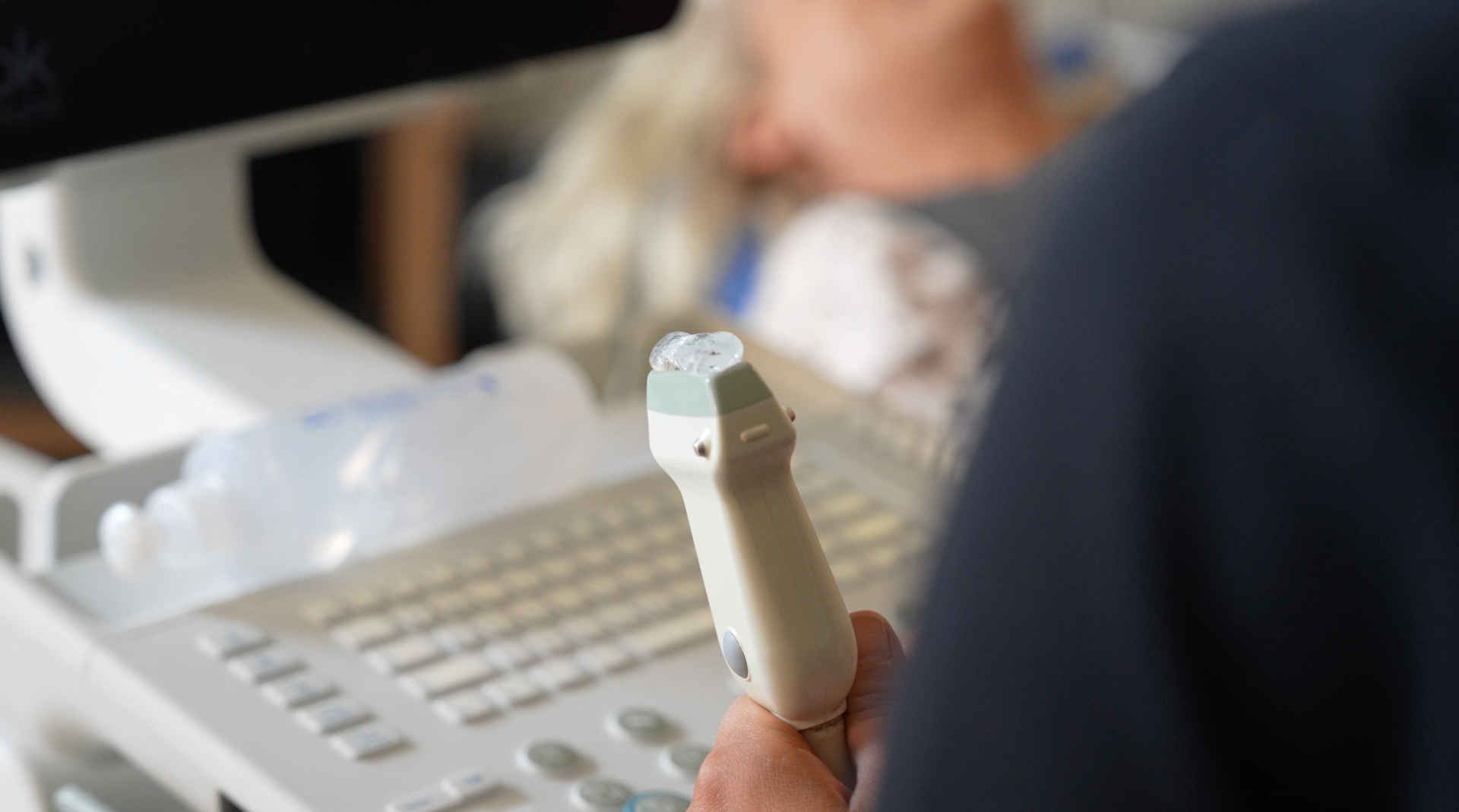
      A licensed physiotherapist confirms hallux rigidus with diagnostic ultrasound, grades the OA and creates an individual plan.
    2. 02Ultrasound-guided PRP injection~30 min
      60–180 ml of blood is drawn, centrifuged, and platelet-rich plasma is injected with ultrasound precision directly into the MTP-1 joint.
  2. 03Pre-optimisationIf needed0–3 months
    In cases of overweight, insulin resistance or systemic inflammation, we optimise metabolic health and loading patterns to maximise the PRP response for upcoming treatments.
  3. 04Rehab and follow-upOngoing
    Individualised programme for toe and calf musculature, gait analysis and shoe adaptation to offload MTP-1 under load.
  4. 05Maintenance treatmentIf neededEvery 3–6 months
    For chronic osteoarthritis, maintenance treatments every 3–6 months help sustain pain relief and function over time.

What is toe OA / hallux rigidus?

Hallux rigidus is osteoarthritis in the big toe MTP joint (MTP-1) and the most common form of foot OA. Symptoms include pain on push-off, stiffness, reduced dorsiflexion and progressive loss of gait function. Without active treatment, the process can lead to cheilectomy or arthrodesis.

How we treat hallux rigidus

We start with a diagnostic ultrasound examination to grade the OA. Based on that, we combine ultrasound-guided PRP in the MTP-1 joint, targeted foot rehab and shoe adaptation.

Questions about Toe osteoarthritis

Frequently asked questions

Ready to book an examination?

We always begin with a thorough examination by a licensed physiotherapist with diagnostic ultrasound.

Related articles

Go deeper into the evidence behind our treatments.

All articles